Play-Based Early Years Teaching Resources
that keep your students focused and learning.



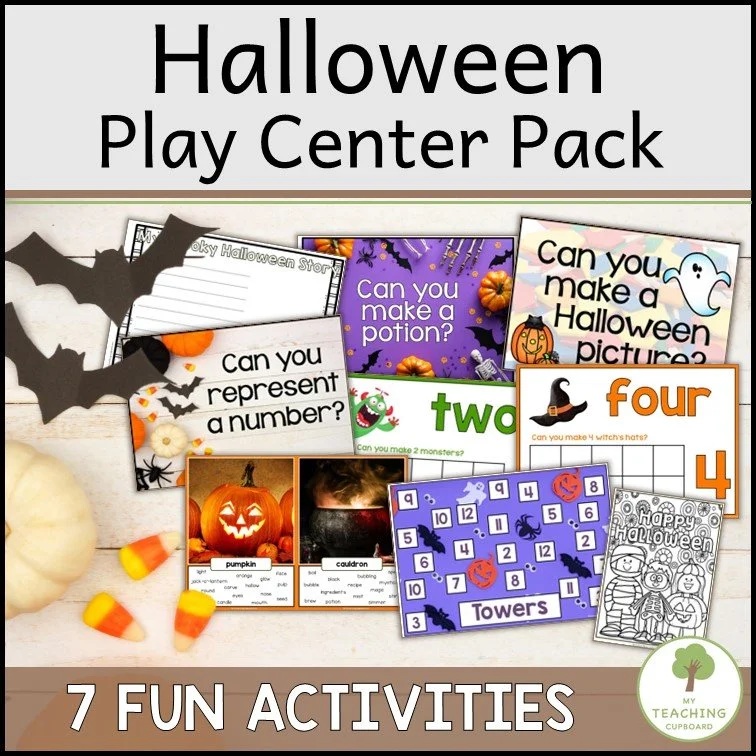
Are you on the hunt for fun and engaging play-based Halloween activities? This Halloween Investigations Pack has a selection of hands-on activities that your students will love. The best part? They are educational and super easy to set up!
I know this time of year is hectic, so I wanted some simple but effective Halloween-themed activities for my students.
Every year Halloween gets more and more popular, so if you want to follow your students’ interests like I do, this pack could be just what you are looking for.
This can be used at any investigation area to highlight the Halloween theme. It helps to instantly set the stage for some Halloween-inspired explorations.
Encourage your students to explore procedural writing with these two Halloween-themed learning provocations. There are printables to help you set up a space where your students can create and write about their own spooky recipes or potions.
These writing activities align with the curriculum learning intentions on procedure writing. Your students will be encouraged to use the language of First, Next, Then and Finally.
There’s also a handy little procedural text poster to remind students what a procedural text is.
I love using illustrated vocabulary cards to motivate my students to write. These Halloween vocabulary cards feature Halloween-themed words and phrases kindergarten and grade one students use in their writing.
Use these age-appropriate Halloween vocabulary cards:
to create a word wall
for explicit teaching of writing and spelling lessons
in writing centres
at free writing time
as part of a Halloween-themed investigation area
Motivate even the most reluctant writers with these Halloween-themed book covers and writing paper templates. There are six printable book covers so your students can make their own Halloween stories and books, along with three Halloween-themed writing pages to spark their imagination.
My students love using pattern blocks to create the Halloween pictures on the cards in this resource. They don’t even realise they are developing their spatial awareness skills, learning to problem-solve, and working on their fine motor skills with this engaging math activity.
This is super easy to set up.
Simply provide a basket of pattern blocks and the printed Halloween task cards for a captivating math exploration.
Make math so much fun with my Halloween playdough number mats. Your students will work on representing numbers and develop their fine motor skills with this simple math activity.
Just print, laminate, and add playdough for instant Halloween-themed maths fun. If you want to use this activity at your playdough table, there’s a learning prompt to print as well.
I included my tried and tested homemade playdough recipe to accompany the playdough mats in this resource. I love this easy recipe. It makes soft playdough that lasts for the whole term!
Keep your students excited about maths with these 12 Halloween counting games.
My students love these games. They like the challenge of building number towers on the Halloween mats.
These math games develop counting skills, numeral recognition, and basic addition problem-solving.
There are six mats for numbers 1 to 6 and another six mats for numbers 2 to 12. There is a learning prompt and simple rules to print too.
Halloween is so exciting!!
It can be hard to find a calming Halloween activity, so I included a couple of mindful colouring sheets in this pack too. Just print and cut for some delightful mindfulness moments.
I always include recording sheets in every investigation area because they prompt students to record their thoughts.
The 6 bonus Halloween-themed recording sheets in this pack can be used at any investigation area.
These sheets are also great for prompting discussions at reflection time. You can even collect them up and use them as evidence of learning.
This pack isn’t just for investigation areas. I have used the activities in:
Math and Literacy Learning Centres
Small group lessons
Busy bags
Choice bins
Early finisher activities
Tabletop morning work
Outdoor play
Sometimes it is nice just to do something that is purely for the joy of learning. Halloween is a great time to just have fun with your students.
With my Halloween Investigations Pack, you will be able to easily capture the Halloween excitement and turn it into some educational experiences.
Celebrating Halloween in the classroom can be stress-free with this resource. Instantly download it and make this Halloween season educational, engaging, and absolutely spooktacular!
Turn all that mixing, pouring and messy outdoor play into purposeful learning with these Mud Kitchen Recipe Cards.
My children loved playing in the mud kitchen, but I wanted a simple way to build the maths, science and literacy we were learning into their play without taking over the play.
That's why I created these recipe cards.
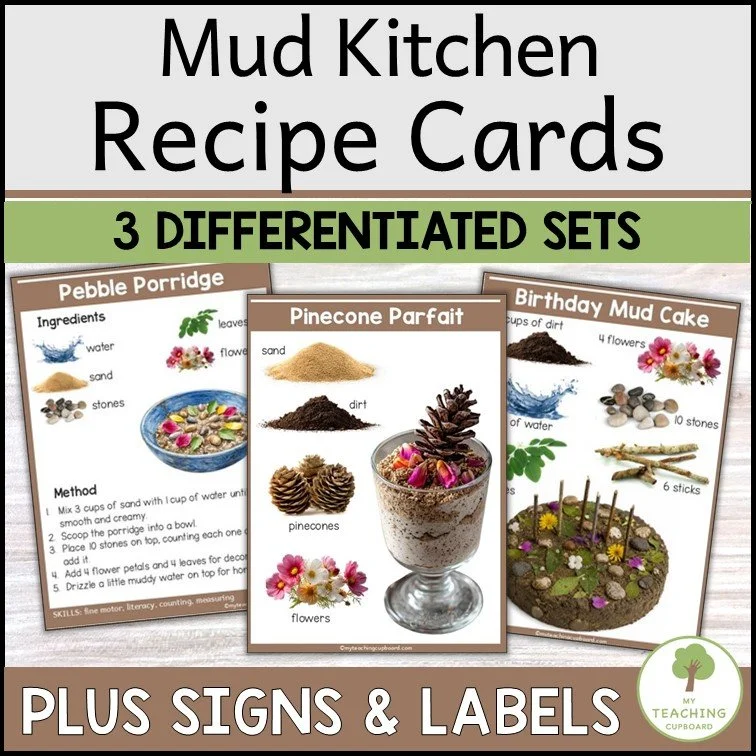
Instead of directing every child through the same activity, these cards give you 30 mud kitchen recipes in three differentiated sets. That's 90 illustrated recipe cards altogether, so you can choose how much structure your children need while keeping the experience playful and hands-on.
There is so much learning happening when children make a mud kitchen recipe.
They count stones and sticks, measure dirt and water, compare quantities and explore capacity. They observe how materials change when they're mixed, make predictions, test their ideas and discover the properties of natural materials.
And there's plenty of literacy too. Children read ingredient labels, build vocabulary, follow directions and explore the structure and sequence of procedural texts. The included recipe-writing sheets let children take the next step and create their own recipes.
It's outdoor maths, science and literacy with a reason behind it.
The three sets use the same 30 recipes with different levels of support.
Set 1 includes labelled ingredients, exact quantities and a step-by-step method. Children read, count, measure and follow a procedure.
Set 2 includes labelled ingredients and suggested quantities but no method. Children still count and measure, but decide how they'll create the finished recipe.
Set 3 includes illustrated, labelled ingredients without quantities or instructions. It's the most open-ended option and works beautifully for non-readers and children who are ready to experiment independently.
You can choose one set for your group or use different sets at the same time.
90 illustrated mud kitchen recipe cards – 30 recipes in 3 differentiated sets
Detailed ACARA V9 Foundation and Year 1 curriculum connections
Kindergarten and Grade 1 Common Core curriculum connections
Mud Kitchen and Mud Café signs
Open and Closed sign
4 mud kitchen recipe-writing sheets, including lined and unlined options
How to Use the Mud Kitchen sign
Mud kitchen rules
4 printable prompts to encourage observation, creativity and inquiry
Illustrated nature vocabulary mat
24 illustrated mud kitchen utensil labels
Educational benefits of mud kitchen play poster
Document wallet label for easy resource organisation
Along with the 90 Mud Kitchen Recipe Cards, you'll receive Mud Kitchen and Mud Café signs, Open and Closed signs, four recipe-writing sheets, four learning prompt posters, an illustrated nature vocabulary mat, 24 illustrated equipment labels, mud kitchen instructions, an educational benefits poster and a document wallet label.
I've also included detailed ACARA V9 Foundation and Year 1 and Common Core Kindergarten and Grade 1 curriculum connections, so it's easy to see the learning behind the play.
Print the cards, laminate them and add them to your mud kitchen. Then stand back and watch a simple bowl of dirt, water and leaves become a reason to read, count, measure, investigate, problem-solve and create.
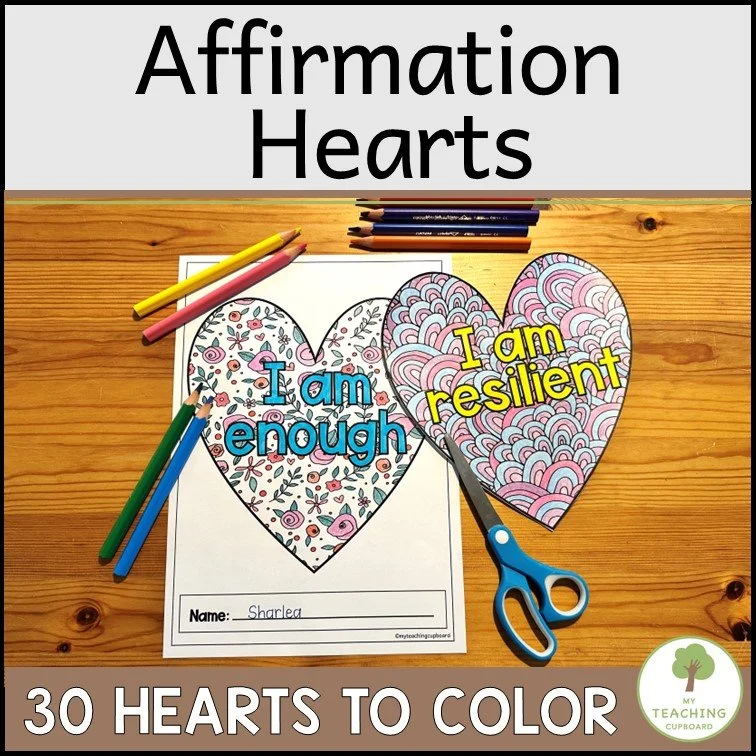
Help your students slow down, reflect and build confidence with these printable affirmation hearts. Designed for mindful colouring, this resource supports positive self-talk, emotional awareness and self-confidence in a calm, age-appropriate way. Perfect for Valentine’s Day, Kindness Week or everyday wellbeing centres. These affirmation hearts turn a simple colouring task into a meaningful SEL experience.
I created these after noticing how powerful “I am…” statements were in my own classroom. When children colour a heart that says “I am brave” or “I am kind,” they begin to connect those words to real experiences in their lives. It becomes more than colouring and becomes purposeful SEL learning.
These affirmation hearts give you a ready-to-use wellbeing activity that supports social and emotional learning without heaps of prep. Simply print, add some pencils or crayons, and place them in your calm corner, investigation area or Valentine’s craft table.
💡 As your students colour, invite gentle conversations about the affirmations. You’ll see your children begin to talk about their strengths, feelings and experiences. It’s such a simple way to build confidence and emotional vocabulary while keeping your students calm and focused.
30 printable affirmation hearts to colour in two sizes for flexible classroom use
4 learning prompt posters to encourage reflection and discussion
Teacher observation recording sheet for noting confidence and self-talk
Assessment checklist to track SEL development and fine motor growth
Student recording sheet to connect drawing, writing and self-reflection
Document wallet label to keep everything organised and easy to store
It’s all designed to work together so you can set up a purposeful wellbeing activity in minutes.
Because they offer more than just a colouring page. These affirmation hearts will help your students practise positive self-talk, develop self-worth and build a stronger sense of identity. At the same time, your children are strengthening fine motor control, self-regulation and focus through mindful colouring.
The included recording and observation tools also make it easier to document social and emotional learning.
Wellbeing or calm-down areas
Valentine’s Day or Kindness Week activities and centres
Morning tabletop activities
Early finisher options that still feel purposeful
Wet weather activities
Simple homework that encourages positive conversations at home
This flexible resource can be used over and over throughout the year. Print out a set and have them ready whenever your class needs a calming, confidence-building activity.
If you want your classroom to become a calmer, more reflective space where your students can recognise their strengths and talk about their feelings, grab the full set of affirmation hearts, learning prompts and recording tools today!

Open ended questions for reading comprehension help young readers think deeply, infer, and explain ideas. Learn practical examples, tips, and free prompts.
Discover the teacher’s role in play-based learning. Learn how to observe, scaffold, co-play and use open-ended questions to deepen play and learning in the early years.
Struggling with behaviour, transitions or chaos during play? Learn why play-based learning isn’t working and how to fix it with simple, structured strategies.
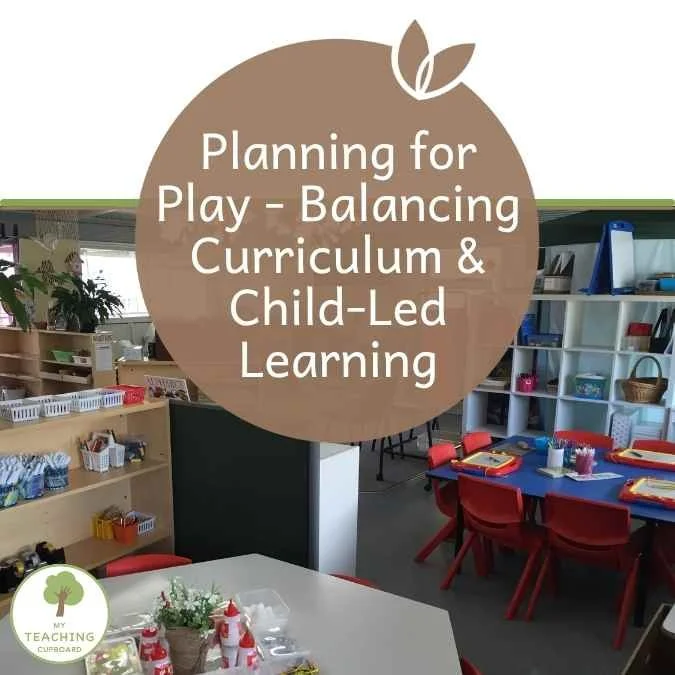
Find the balance between play-based exploration and meeting curriculum goals in your early years classroom. Learn how to plan for play with confidence and clarity.
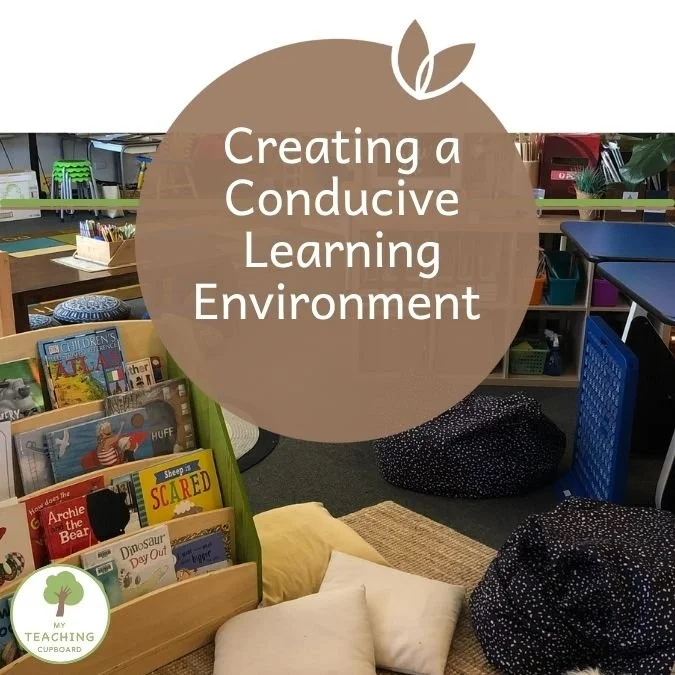
Discover how to create a conducive learning environment that sparks curiosity, collaboration, and deep play in early years classrooms.
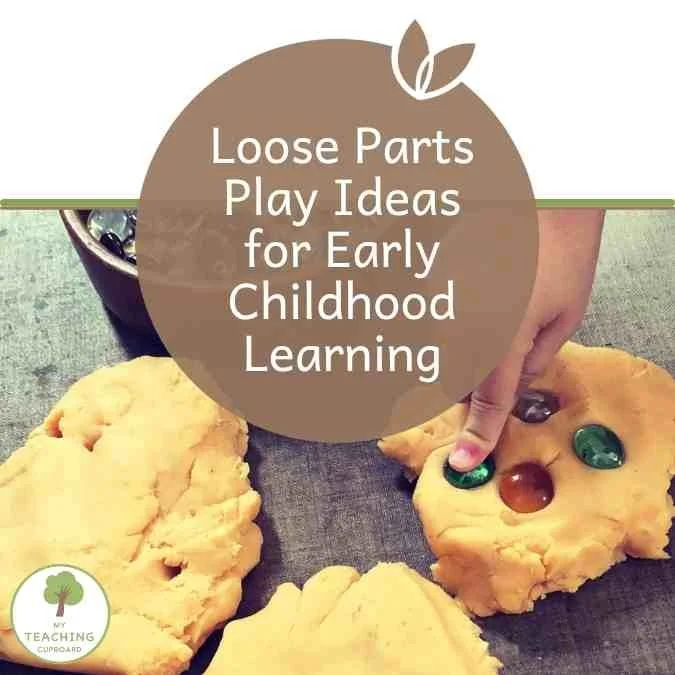
Discover loose parts play ideas for early childhood classrooms including art, maths, literacy, science, sensory play, construction and outdoor play using open-ended materials.
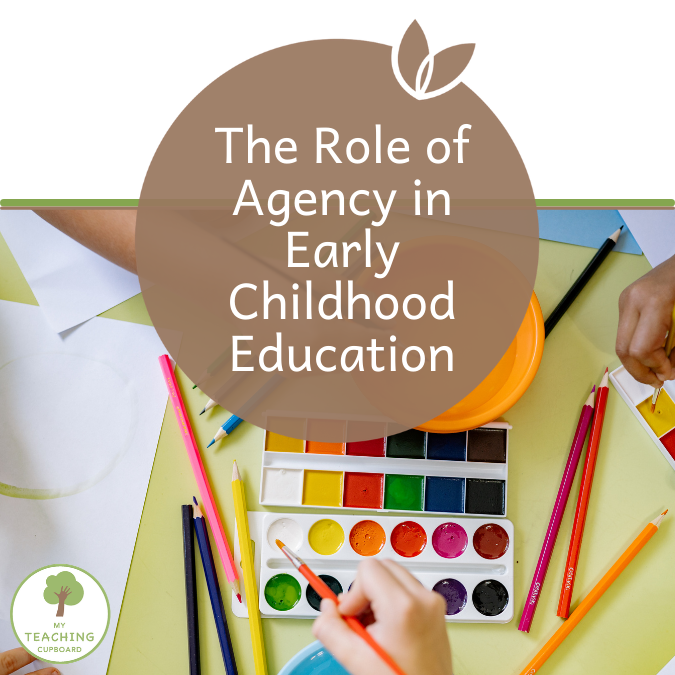
Foster agency in early childhood education and discover how autonomy supports motivation and deeper engagement in the classroom.
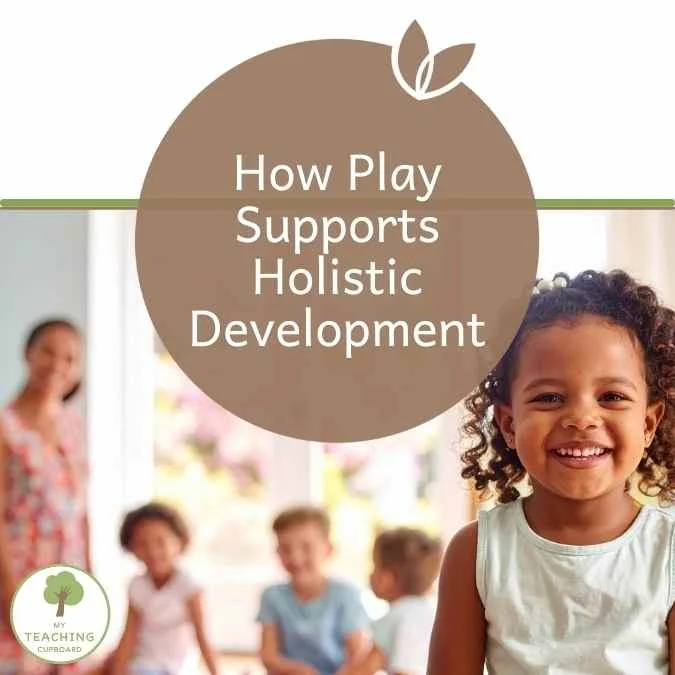
See how play-based learning develops children’s physical, social, emotional, cognitive, and creative skills in meaningful, joyful ways.
Learn what the research says about play-based learning and why evidence shows it leads to stronger academic, social, physical, and cognitive development outcomes for children.
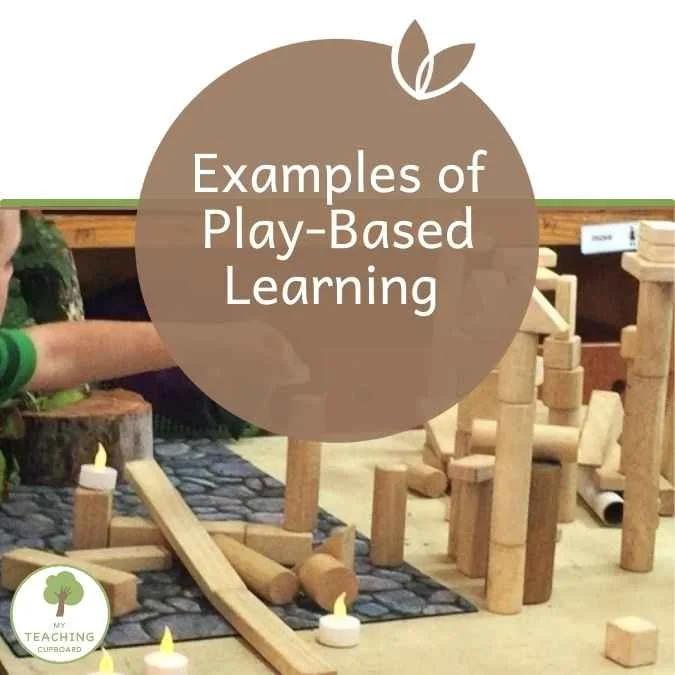
Discover real examples of play-based learning and symbolic play that build literacy, numeracy, and critical thinking through active, creative, scaffolded play.



Need a Fun, Hands-On Way to Teach Math this Halloween?
The kids get sooo excited around Halloween time 🎃 so use these Halloween Playdough and Loose Parts Mats to channel all that excitement into some productive learning activities perfect for Preschool, Kindergarten, and 1st Grade.
This fun resource invites students to engage in hands-on exploration while learning about 2D shapes and pattern-making at the same time!
It’s the playful, stress-free way to teach those essential early maths Geometry, and Number and Algebra concepts without sacrificing the seasonal fun.
Save Time with Ready-to-Go Learning Mats
As a teacher, I understand how hard it can be to balance engaging activities with curriculum objectives, especially when all the students are interested in is trick-or-treating and Halloween!
That’s why I created this resource.
Done-for-you, play-based learning activities that will keep the kids focused and learning - even when they're buzzing with Halloween excitement!
Whether it’s for math centers, morning work, or small group rotations, this resource is ready to use with minimal prep required!
What Makes These Mats So Special?
These learning provocation mats are designed to develop fine motor skills, creative thinking and problem-solving abilities while reinforcing 2D shapes and patterns—all through playdough and loose parts exploration.
They offer a rich, tactile learning experience where students can create, explore, and solidify their understanding through hands-on play.
This Halloween-themed Playdough and Loose Parts Resource Contains:
13 Pattern Mats: to encourage students to identify and create patterns using loose parts or playdough.
8 2D Shape Mats: to help children explore 2D shapes in a fun, age-appropriate way.
4 Provocation Posters: to spark inquiry and deeper thinking during investigation time.
Recording Sheets & Observation Checklists: to easily track student progress.
Setup Ideas and Photos: to help you bring this resource to life in your classroom.
Handy List of Halloween-themed Loose Parts Ideas: to inspire creative setups using materials like mini pumpkins, googly eyes, counters, and autumn leaves for sensory-rich, hands-on play.
A Printable Document Wallet Label: to help you keep all the resources organized.
Make Your Halloween Centers Stress-Free
These mats make math fun and intuitive for young students and they’ll also help to simplify your lesson planning. The setup ideas and photos will help you design quick and easy play centers.
These Halloween Loose Part and Playdough Mats are perfect for:
small group math rotations.
morning work and soft starts to settle students into the day.
independent work and purposeful early finisher activities.
play based learning centers and investigation areas.
Download them now to get a resource that not only sparks student curiosity, but also makes your life as a teacher easier.
With everything included to help you create an inviting, hands-on math center, these mats will bring Halloween-themed learning to life in your classroom!